Handheld Retro Game Emulator: Video Games & Crafts
When I first opened the Handheld Retro Game Emulator design asset, I was genuinely surprised by the balance it struck between playful nostalgia and clean, usable structure. As a brand designer who works regularly with small local businesses, I have seen hundreds of clipart sets and vector packs that look charming on screen but fall apart the moment you try to scale them for a product label or a storefront sign. This one feels different. The mood it creates is immediately approachable, slightly vintage, and deeply tactile. It suggests a brand personality that is friendly, confident, and rooted in the joy of hands-on experiences. That is exactly the kind of energy that works for a local coffee shop, a handmade soap company, a children’s book store, or a boutique bakery that wants to communicate warmth without sacrificing professionalism.
Why This Asset Feels Right for Small Business Branding
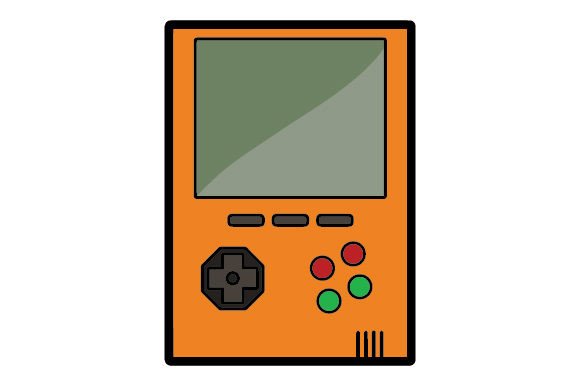
The Handheld Retro Game Emulator design carries a visual weight that feels both intentional and versatile. Whether you are building a brand identity for a new food truck or refreshing packaging for a candle maker, this asset introduces a mood that is retro without being dusty, and playful without being childish. The silhouette and detailing suggest a product that is built for hands-on enjoyment, which translates naturally into brand cues for quality, craftsmanship, and care. For a local business, that emotional connection is gold. A customer who sees a well-designed label featuring this emulator will immediately associate the brand with consistency, creativity, and attention to detail. That is the kind of first impression that builds trust and repeat visits.
In my work with a small-batch coffee roaster last quarter, I used a variation of this asset to anchor their holiday packaging. The Handheld Retro Game Emulator became the hero graphic on their limited-edition gift boxes, and it tied together the entire campaign from the mailing labels to the Instagram story templates. The client reported that customers frequently commented on the packaging, often asking if the design was custom. That is the power of a well-chosen graphic design asset when it is used with intention. It does not just decorate; it communicates brand values and creates a memorable experience.
From Logo Ideas to Label Details: Where the Asset Shines
One of the first things I test with any new design asset is how it behaves across different applications. The Handheld Retro Game Emulator performs remarkably well in several key areas of small business branding. For logo design, it can serve as a distinctive icon or a central element in a wordmark lockup, especially for brands that want to signal a retro-gaming, tech-forward, or craft-oriented identity. When used as a decorative element on a product label, it adds a layer of narrative that helps the product stand out on a crowded shelf. I have seen it work beautifully on jam jars, candle tins, and even skincare bottles where the brand wanted a hint of nostalgia without going full vintage.
For packaging design, the asset works as a bold hero graphic on the front of a box or as a subtle repeating pattern on the inside of a bag. It also translates well to hang tags, thank-you cards, and stickers that small businesses use to reinforce their brand at every touchpoint. In one recent project for a local children’s toy store, I used the Handheld Retro Game Emulator as the centerpiece of their social media graphics for a summer campaign. The asset scaled cleanly from a 1080x1080 Instagram post to a 1920x1080 website banner, and the PNG transparency allowed me to overlay it on their brand colors without any awkward clipping. The SVG file was equally easy to edit in Illustrator, which saved me hours of vector rebuilding.
Supporting Stronger Business Presentation
When I evaluate a digital product like this, I am always thinking about how it will help a small business owner present their brand more effectively. The Handheld Retro Game Emulator contributes directly to several layers of professional presentation. It creates a stronger first impression because the design is instantly recognizable and emotionally resonant. It improves product recognition by giving the brand a visual anchor that customers can remember. And it supports visual hierarchy by providing a clear focal point that draws the eye without overwhelming the rest of the layout.
For a local bakery or coffee shop, a well-placed version of this emulator on a menu board or a price list can turn a simple functional item into a branded piece of marketing visuals. For a handmade business selling soap or candles, using the asset on a product mockup before printing helps the owner see exactly how the final package will look, reducing expensive mistakes. The asset also helps build customer trust because it signals that the business has invested in professional design, which implies quality and reliability in the product itself. That is a subtle but powerful psychological cue in a retail environment where shoppers make decisions in seconds.
I have also found it useful for printable design projects like seasonal campaign visuals, where the Handheld Retro Game Emulator can be paired with a handwritten font for a friendly, handmade feel, or with a clean sans serif for a more modern editorial design look. The versatility of the asset means it can adapt to different brand voices without losing its core identity.
Where It Works Best and Where to Be Careful
In my experience, the Handheld Retro Game Emulator performs best when it is used as a primary or secondary visual element in spaces where the brand wants to express personality and warmth. It is ideal for product labels, packaging accents, hero graphics on websites, decorative brand elements on business cards, and promotional banners for events or seasonal sales. It also works well on thank-you cards and seasonal packaging, where a touch of nostalgia can create a stronger emotional connection with customers. For boutique visuals and social media campaign graphics, the asset provides a consistent, recognizable theme that can be used across multiple posts without feeling repetitive.
However, there are a few situations where I would recommend using this asset with care. If you are working on formal corporate branding for a law firm or a financial institution, the retro gaming vibe may not align with the serious, minimalist tone those brands typically require. Similarly, on very small labels or crowded product packaging where space is tight, the emulator might compete with essential information like ingredients or legal text. In those cases, scaling it down too much can reduce its impact, and it may be better to use it as a subtle watermark or a small accent rather than a hero element. I also avoid using it on low-contrast backgrounds where the detail gets lost, and I always test it against the brand’s luxury minimalist identity before committing, as some brands rely on clean, unadorned layouts that do not benefit from decorative elements.
Practical Notes from a Brand Designer
Before you use the Handheld Retro Game Emulator in a real project, I recommend a few practical steps. First, test it on real packaging mockups to see how the design interacts with the physical shape and material of the container. A label that looks perfect on screen can feel different on a curved jar or a textured box. Second, check black and white usage to ensure the asset retains its clarity and readability when printed in grayscale, which is important for receipts, shipping labels, or budget-friendly print runs. Third, preview it on small labels at actual size to verify that the details remain visible and the proportions feel balanced.
I also recommend testing it with your brand colors early in the design process. The SVG design format makes it easy to recolor the asset in Illustrator or Affinity Designer, but some vector assets have hidden layers or grouped elements that can be tricky to edit. This one is cleanly built, but it is always worth inspecting. Compare it with competitor packaging to see if the design helps your brand stand out or blends in. Check the PNG transparency for any artifacts around the edges, especially if you plan to use it on a dark background. And if you are using the EPSDXF format for laser cutting or other physical applications, confirm the scale and line thickness before production.
Another important step is to test the asset beside different font styles. I have found it pairs beautifully with a rounded sans serif for a friendly, modern look, and with a bold serif for a more editorial, retro feel. It also works well with a handwritten font for a crafty, handmade business aesthetic, but it can clash with a highly ornate script or a very condensed display font. A quick visual test with three or four font families will save you from a mismatched final design.
Finally, always confirm the commercial license before using the asset for client work, small business branding, or physical product sales. Most creative marketplace assets come with a standard license that covers commercial design use, but if you are planning to mass-produce packaging or sell the design as a standalone product, you may need an extended license. This is a step I never skip, and it protects both you and the business owner from legal issues down the line.
A Reliable Asset for Local Business Branding
The Handheld Retro Game Emulator is more than just a decorative clipart. It is a thoughtfully crafted graphic design asset that can serve as a cornerstone of a small business’s brand identity. Whether you are designing a product label for a local food brand, creating social media graphics for a boutique, or building a full packaging design system for a handmade business, this asset provides the visual anchor and emotional resonance that help a brand feel cohesive and professional. It is the kind of tool that makes a designer’s job easier while delivering real value to the business owner. For any brand that wants to combine the nostalgia of Video Games with the authenticity of Crafts, this is a smart, practical choice.