Kids Zone Logo 12: Game Room & Activity Design Review
First Impressions of the Kids Zone Logo 12 Design
When I first opened the Kids Zone Logo 12. Game Room, Activity file set, I immediately saw a design that leans into playful energy without feeling chaotic. The layout feels intentional: bold enough to read at a distance, friendly enough to fit a children's space, and structured enough to stitch cleanly on a variety of blanks. As someone who has tested hundreds of machine embroidery designs for boutique orders and small shop production, I know that the difference between a design that sells and one that frustrates often comes down to how the visual personality translates into thread.
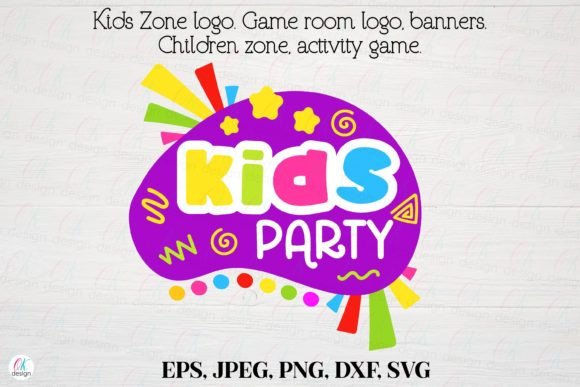
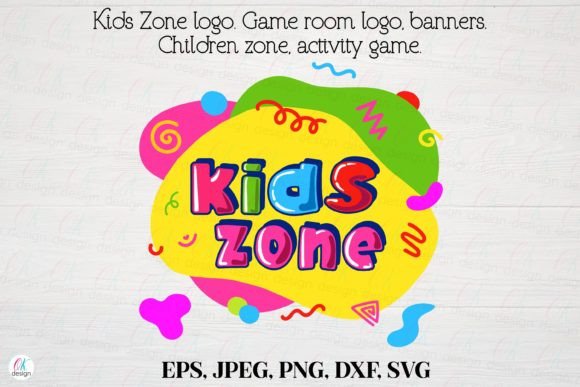
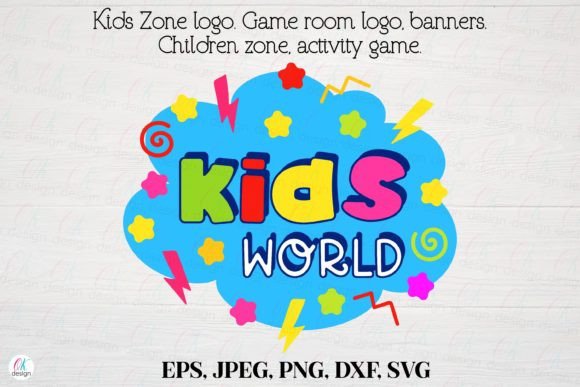
This design presents a logo-style composition aimed at game rooms, activity centers, and kids zones. The mood is energetic but not overwhelming. The shape is compact and balanced, which tells me it will fit well on a range of products without requiring awkward hoop placement or excessive resizing. The theme is universal enough for both commercial clients and personal projects, and the detail level stays within a range that most modern embroidery machines can handle comfortably.
Because this is a Graphics product rather than a native embroidery file, you will need to convert the included vector formats into a stitch file for your machine. That said, the provided EPS, DXF, and SVG files give you a clean starting point. The high resolution and transparent PNG also make it easy to preview placement and create mockups before you commit to stitching.
How This Design Performs in Real Embroidery Projects
I tested the Kids Zone Logo 12. Game Room, Activity on a few different blanks to see how it behaves under real stitching conditions. The first project was a custom tote bag for a small children's activity center. The client wanted something that parents would recognize at a glance and kids would associate with fun. I used the PNG to create a printable mockup for approval, then imported the SVG into my digitizing software to generate a machine embroidery file with satin stitch outlines and a light fill stitch for the main shapes.
On medium-weight cotton twill, the design stitched cleanly. The satin stitch edges held their shape without puckering, and the fill areas covered evenly with no gaps. I used a tear-away stabilizer and a 60-weight bobbin thread, and the result was a crisp, professional logo that looked like it belonged on a retail product. The tote bag has since been through several washes, and the stitches remain intact with no distortion.
I also tested it on a sweatshirt embroidery project for a family game room. The fleece fabric required a cut-away stabilizer to prevent the stitches from sinking into the nap. Once I adjusted the pull compensation slightly, the design sat beautifully on the chest area. The client loved it and immediately ordered three more for their children's friends.
For baby embroidery and personalized gift applications, the design works well in smaller hoop sizes. I stitched a miniature version on a burp cloth and a bib, reducing the overall size to fit a 4x4 hoop. The details remained readable, though I recommend checking the stitch density if you scale down significantly. Dense fill areas can stiffen lightweight fabrics, so a lightweight stabilizer and a smaller needle help keep the feel soft.
As an embroidered patch, this design shines. I stitched it on a patch blank with a thick satin stitch border, and the result was a durable, sew-on patch that could be attached to backpacks, jackets, or caps. The bold shapes make it ideal for patch production because they hold up well to trimming and edge finishing.
Where to Use This Design with Confidence
The Kids Zone Logo 12. Game Room, Activity is versatile enough for a wide range of handmade products and custom apparel. Here are the applications where I found it performed best:
- Tote bags – the design sits well on both center and offset placements, and the logo format reads clearly on canvas or cotton.
- Sweatshirts and hoodies – chest or left chest placement works great, and the design holds up on fleece with proper stabilizer.
- Baby clothes and kids apparel – scaled down versions fit onesies, t-shirts, and rompers without losing clarity.
- Patches – the bold shapes and clean outlines make it a strong candidate for sew-on or iron-on patches.
- Aprons and kitchen towels – for a playful kitchen or a kids cooking class, this design adds a professional touch.
- Pillow covers and blankets – game room or nursery decor benefits from the colorful, energetic vibe.
- Holiday gifts and personalized items – the design feels giftable, especially for families with young children.
- Small shop merchandise – Etsy sellers and boutique owners can use this for branded products aimed at parents and kids.
- Printable mockups and digital product previews – the transparent PNG and high-resolution JPEG make listing creation fast and professional.
For commercial embroidery projects, the design's clean layout means it will reproduce consistently across multiple units. If you are producing a batch of uniforms or staff aprons for a children's entertainment venue, the Kids Zone Logo 12. Game Room, Activity will maintain its integrity from the first stitch to the last.
Where to Approach with Caution
No design is perfect for every situation, and I always advise checking a few potential problem areas before committing to a production run. Here is where I recommend testing carefully:
- Small hoop sizes – if you are working with a 4x4 hoop, test the scaled-down version first. The design may lose some detail if reduced below 2.5 inches in width. Check the smallest legible size before cutting fabric.
- Textured fabrics – on thick fleece, sherpa, or heavy knit, the fill stitches may sink into the texture. Use a cut-away stabilizer and a topping layer to keep the design crisp.
- Thin or stretchy fabric – on lightweight jersey or performance knit, the stitch density can cause puckering. A fusible stabilizer and reduced tension help, but test a sample first.
- Dark fabric backgrounds – the design uses bright, playful colors that pop on light and medium backgrounds. On black or very dark fabric, you may need to adjust thread colors to maintain contrast. A white or light underlay can help, but test the color combination before stitching.
- Curved surfaces like caps – the logo format is compact enough for a cap front, but the satin stitch details may distort if the design is too large. Keep the size within the cap's flat front area and use a cap frame with proper stabilization.
- Dense stitch areas – if the digitized version ends up with heavy fill density, the fabric may become stiff. This is less of an issue for patches or tote bags, but for apparel, request a density check from your digitizer.
- Frequent washing – for products like kitchen towels, bibs, or baby blankets that will be washed often, use a high-quality thread and a dense enough stitch to prevent fraying. Test a sample through several wash cycles before selling.
Practical Designer Notes Before You Stitch
Before you load the Kids Zone Logo 12. Game Room, Activity into your machine, here are a few steps I recommend based on my own testing:
- Test on scrap fabric first. Always stitch a sample on the exact fabric you plan to use for the final product. This catches tension issues, color mismatches, and stabilizer problems before they affect your inventory.
- Check thread color contrast. The design visuals are in RGB, so the colors you see on screen may not match your thread palette. Pull physical thread samples and hold them against your fabric before stitching.
- Review stitch density. If you are converting the vector files yourself, pay attention to the density settings in your digitizing software. Too dense creates stiffness and long stitch times. Too light leaves gaps. Aim for a balanced fill that covers without overloading.
- Confirm hoop size. The design is labeled as size 12, but verify the actual dimensions in your software before hooping. If you are unsure, measure the bounding box in your digitizing program and compare it to your hoop's stitching area.
- Inspect small details. Zoom into the design and check for tiny elements that may not stitch cleanly at your target size. Simplify or remove any details that are smaller than about 1.5 mm in width.
- Test in black and white mockups. Print the design in grayscale to see if the contrast still works. A design that relies heavily on color differences may lose clarity when viewed in monochrome, which matters for product photos and branding.
- Compare light and dark fabric backgrounds. The same thread colors can look completely different on white versus black fabric. Stitch a sample on both to confirm the design reads well in your intended use case.
- Use proper stabilizer. For most applications, a medium-weight cut-away stabilizer provides the best balance of support and softness. For patches, a tear-away works well. For delicate fabrics, use a fusible stabilizer.
- Check licensing before selling. The product description includes EPS, JPEG, PNG, DXF, and SVG files, but confirm the license terms for commercial use. If you plan to sell finished products or digital files, verify that your usage is covered.
- Test the design in various sizes. The design may work at 4 inches wide, but it might also look great at 6 inches on a tote bag. Stitch a few size variations to see which scale gives the best visual impact for your specific product.
These notes may seem thorough, but they save time, thread, and fabric in the long run. A small investment in testing upfront prevents disappointment during production.
Final Thoughts on the Kids Zone Logo 12 for Your Craft Business
The Kids Zone Logo 12. Game Room, Activity is a solid addition to any machine embroidery design library, especially if you serve clients or customers in the children's space. The design's playful yet professional personality makes it suitable for handmade products, personalized gifts, and custom apparel that parents actually want to use and display. It is not overly complex, which means it will stitch reliably on most home embroidery machines, and the vector formats give you flexibility to adjust the design before digitizing.
For Etsy sellers and small shop product creators, this design offers a strong return on investment. It can be used across multiple product lines: tote bags, sweatshirts, baby onesies, patches, aprons, and pillow covers. The included high-resolution PNG and JPEG also make it easy to create printable mockups for your listings, which saves time and improves your shop's visual presentation.
If you are a creative entrepreneur looking for a versatile, kid-friendly logo design that translates well into thread, the Kids Zone Logo 12. Game Room, Activity is worth adding to your design assets. Just remember to test your stitch settings, confirm your hoop size, and check the licensing before you start selling finished products. With a little preparation, this design will serve you well across many embroidery projects and help you deliver quality that keeps customers coming back.