Baby Toy Game Graphics and Icons for Publishers
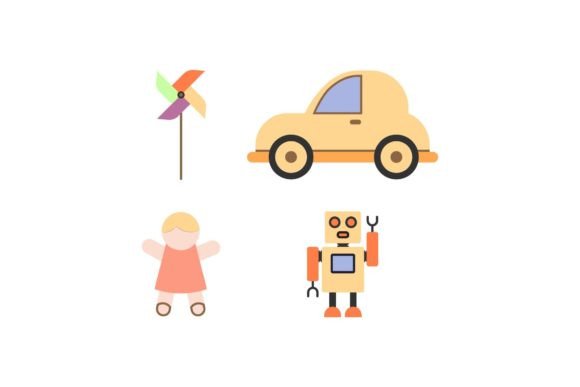
When I first opened Baby Toy Game as part of my regular workflow for testing new design assets, I was immediately struck by how it bridges the gap between playful editorial energy and polished commercial design. This is not a casual collection of clip art. It is a thoughtfully crafted set of graphic design elements that can serve bloggers, content creators, digital marketers, and small business owners who need visuals that feel both lively and trustworthy. The mood it creates is warm, inviting, and gently nostalgic, but also clean enough to sit comfortably alongside modern typography and structured layouts. For anyone publishing content about parenting, early childhood education, family lifestyle, or toy reviews, this asset offers a visual language that resonates with readers on an emotional level while maintaining the professional polish required for a successful content website.
First Impressions and Editorial Mood
The Baby Toy Game collection presents a cohesive visual identity that leans into soft, rounded shapes and cheerful color palettes. It does not feel overly feminine or aggressively masculine, which makes it versatile for a wide range of family-focused content. The illustrations carry a handcrafted sensibility that reminds me of modern picture books and boutique children’s brands. For a blog or digital publication, this aesthetic can immediately signal warmth, safety, and approachability. Readers scanning a website header or a Pinterest pin featuring these graphics are likely to associate the content with care, expertise, and a friendly tone. That first impression matters enormously for reader trust and click-through potential, especially in niches where parents are looking for reliable advice, product recommendations, or educational resources.
In terms of content niche, Baby Toy Game naturally supports lifestyle, parenting, early learning, toy reviews, and family activity blogs. It also works well for educators creating digital guides, printable worksheets, or lead magnets aimed at preschool and kindergarten audiences. The visual language is not overly complex, which is a strength. It does not compete with text or overwhelm a layout. Instead, it enhances the overall reading experience by adding a layer of emotional resonance that plain stock photography often fails to deliver.
Real Publishing Use Cases for Bloggers and Content Creators
In my own publishing workflow, I have found that Baby Toy Game adapts well to several specific content formats. The canvas size of 1920 pixels by 1280 pixels is ideal for blog featured images, article headers, and social media graphics. Here are some of the ways I have used it or would recommend using it:
- Blog featured images – The dimensions align perfectly with standard blog post thumbnails, giving each article a consistent, branded look.
- Pinterest pins – The vertical cropping potential works well for pin designs, especially when paired with bold headline text and a clean background.
- Newsletter headers – The playful yet professional style adds a welcoming touch to email campaigns without distracting from the message.
- Digital guides and lead magnets – For a free download or content upgrade, these graphics can serve as cover art or section dividers, increasing perceived value.
- Printable designs – The vector files make it easy to scale for worksheets, activity pages, or wall art, which is a great bonus for educators and parents.
- Social media posts and digital ads – The visual hierarchy is clear enough to work in small thumbnail sizes while still being recognizable.
- Category thumbnails – For a website with multiple content categories, these icons can help readers quickly identify sections related to toys, games, or early learning.
Because the collection includes five digital files in AI, EPS, and SVG formats, I have the flexibility to edit colors, resize elements, and integrate the graphics into other design tools. The SVG format in particular is useful for web use, as it scales cleanly across devices without losing quality. Whether I am building a Canva template for a client or preparing a custom media kit, the file structure supports a smooth workflow.
How Baby Toy Game Supports Content Performance
Visual communication is not just about decoration. It directly affects how readers engage with a page. Baby Toy Game contributes to stronger first impressions by giving each piece of content a distinct visual anchor. When a reader lands on a blog post with a well-designed graphic, the visual hierarchy is immediately clear. The eye knows where to focus, and the message feels more credible. For affiliate marketers, this can translate into higher click-through rates on product links, because the overall page feels more professional and trustworthy.
Brand identity also benefits from a consistent graphic style. Using the same design asset across multiple posts, social media profiles, and downloadable resources creates a cohesive look that readers begin to recognize. Over time, that recognition builds trust. For a small business owner or a solo blogger, this kind of visual consistency is one of the most effective ways to establish a professional presence without hiring a full design team.
In terms of content marketing, Baby Toy Game can be a key component of a lead magnet strategy. A digital guide or printable checklist that features these graphics feels more polished and valuable, which can improve conversion rates. When I create a free download for a parenting blog, I always look for design assets that elevate the perceived quality without adding unnecessary complexity. This collection fits that need well.
Where the Design Asset Works Best
After testing Baby Toy Game in several real layouts, I can confidently recommend it for the following contexts:
- Hero images – The graphics work well as central focal points on a homepage or landing page, especially when paired with a soft background color.
- Article thumbnails – The simple shapes and clear outlines make the thumbnails readable even at small sizes.
- Pinterest pins – The playful aesthetic performs well on Pinterest, where visual appeal is critical for engagement.
- Blog graphics – Inline illustrations within a blog post can break up text and make the content more scannable.
- Editorial accents – Use them as bullet point icons, section dividers, or pull quote decorations to add a subtle creative touch.
- Content upgrades – For a free printable or digital guide, the graphics can serve as cover art or internal visual elements.
- Category visuals – On a website with multiple content categories, these icons can help readers navigate quickly.
- Newsletter headers – The warm mood translates well to email, where a friendly visual can increase open rates.
- Social media previews – The graphics maintain their impact even when shared on platforms like Instagram, Facebook, or Twitter.
Where to Use Baby Toy Game Carefully
No design asset is perfect for every scenario, and Baby Toy Game has some limitations that publishers should consider. The playful style may not suit serious professional niches such as corporate consulting, legal advice, or financial planning. In those contexts, the graphics could feel out of place or undermine the serious tone required. I also recommend being cautious with small mobile thumbnails. While the vector files scale well, the level of detail in some illustrations may become harder to read on very small screens. Always test the graphics at the actual display size before committing to a layout.
Low-contrast backgrounds can also be problematic. If the background color is too similar to the graphic colors, the visual hierarchy can break down. Busy layouts with multiple competing elements may also reduce the effectiveness of these illustrations. For text-heavy blog images, it is usually better to use a single graphic as a focal point rather than clustering several together. And for websites that rely on a very minimal visual system, adding these graphics may feel like an unnecessary distraction. As always, context matters.
Practical Publisher Notes for Testing and Implementation
Before I finalize any design asset in a real publishing project, I run through a series of tests to ensure it performs well across formats and devices. Here are the steps I recommend for Baby Toy Game:
- Test on desktop and mobile screens – The 1920x1280 canvas size is generous, but you need to see how the graphics appear on a phone screen. Crop and resize accordingly.
- Check how it looks as a thumbnail – Reduce the graphic to 150 pixels wide and see if the shapes remain recognizable. This is especially important for blog category pages.
- Preview it inside a real blog layout – Place the graphic alongside your actual content, including headlines, body text, and sidebar elements. Does it integrate naturally?
- Test with headline text – Overlay a headline in different font styles to see how the graphic interacts with the text. Try serif, sans serif, script, handwritten, and display fonts.
- Check contrast and readability – Ensure the graphic does not wash out on light backgrounds or clash with dark backgrounds. Adjust colors if needed.
- Try it in black and white – A grayscale test can reveal whether the graphic relies too heavily on color for its impact. The design should still work in monochrome.
- Review file size for web performance – Even though the source files are vector, exported PNG or JPEG versions should be compressed to avoid slowing down page load times.
- Compress images properly – Use tools like TinyPNG or ImageOptim to reduce file size without sacrificing quality. This is a basic step that many publishers overlook.
- Confirm commercial licensing – Before using the asset on a monetized website, affiliate page, or paid content product, verify that the license covers commercial use. This is non-negotiable for any serious publisher.
The file formats included in this collection are AI, EPS, and SVG. Each serves a different purpose. The AI file is best for editing in Adobe Illustrator, where you can modify individual elements, change colors, and adjust shapes. The EPS file is a universal vector format that can be opened in most design software, including CorelDRAW and Affinity Designer. The SVG file is ideal for web use, as it can be embedded directly into HTML and styled with CSS. Having all three formats in a single digital download gives you maximum flexibility regardless of your preferred design tools.
Final Thoughts on Baby Toy Game for Real Publishing Work
After working with Baby Toy Game in several test projects, I can say that it is a solid addition to any content creator’s collection of design assets. It is not trying to be everything for everyone. Instead, it focuses on a specific mood and niche, and it executes that vision well. For bloggers, publishers, and digital marketers who create content around family, parenting, education, or play, this graphic design asset can save time, improve visual consistency, and elevate the overall quality of the presentation.
The key to getting the most out of this collection is to use it strategically. Place it where it supports the message, not where it competes with it. Test it in real layouts, on real devices, and with real content. And always keep the reader’s experience in mind. A well-chosen graphic can make the difference between a page that feels flat and one that feels welcoming, trustworthy, and professional. Baby Toy Game has the potential to do exactly that for the right audience.